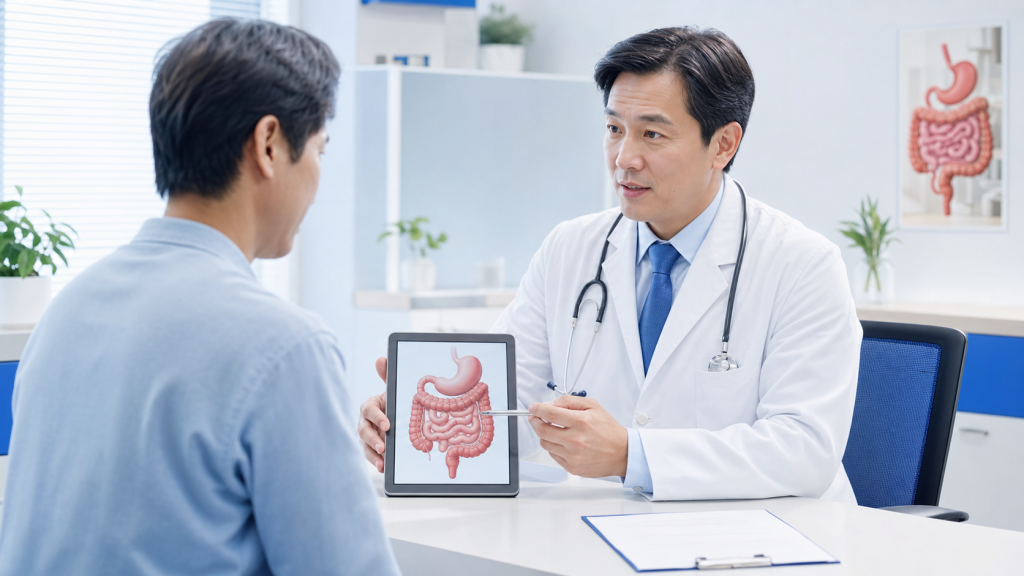
Digestive Cancer Screening: Who Should Start and When?
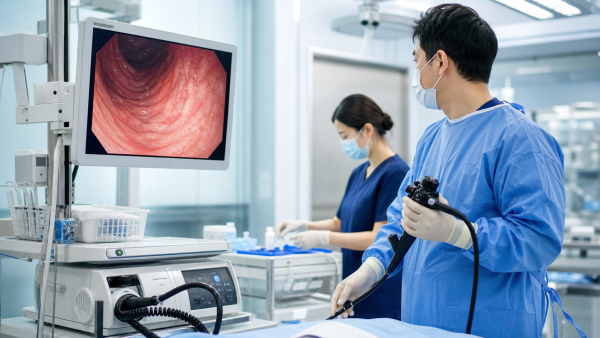
Digestive cancer screening helps detect stomach, colon and rectal abnormalities early, especially for people with risk factors.
Bài viết về tầm soát ung thư, nội soi tiêu hóa, khám tổng quát và các dấu hiệu cần đi khám sớm.
Digestive cancer screening helps detect stomach, colon and rectal abnormalities early, especially for people with risk factors.
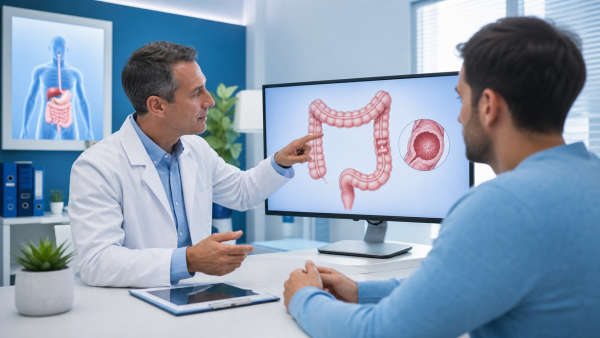
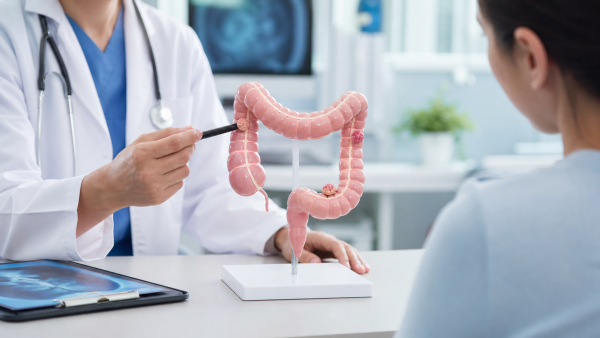
Most colon polyps are benign, but some may progress over time and should be detected early.
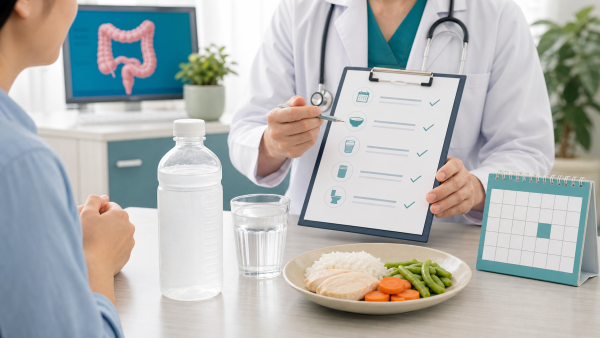
Good bowel preparation helps doctors observe the colon clearly and reduces the chance of repeat procedures.
A balanced diet rich in fiber and minimally processed foods supports digestive health every day.
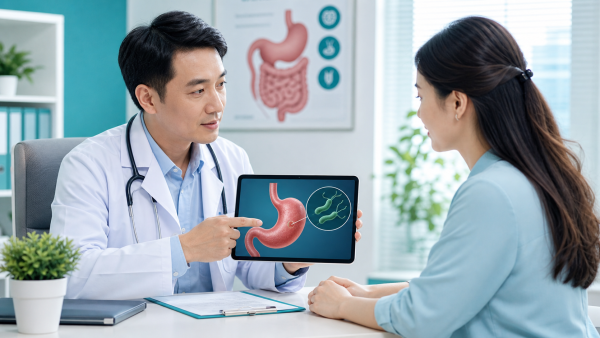
H. pylori infection is linked to gastritis, ulcers and increased stomach cancer risk in some groups.
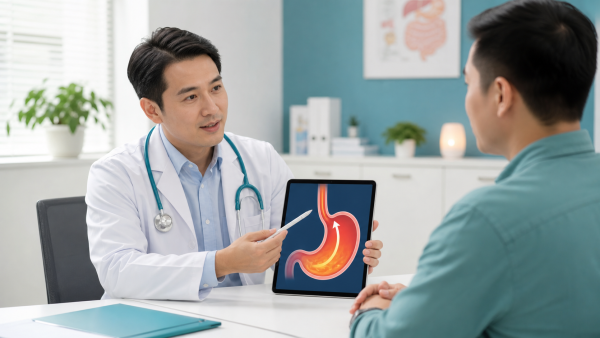
Reflux is common, but persistent symptoms or alarm signs may require endoscopic evaluation.
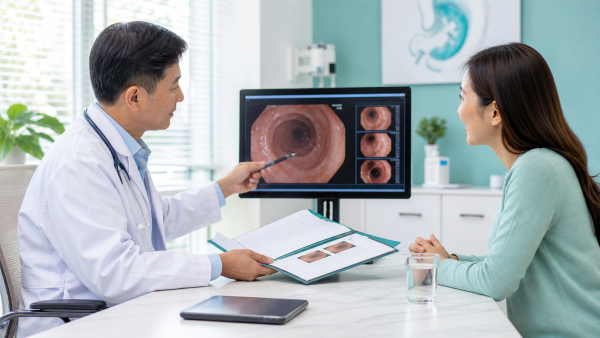
Understanding endoscopy results helps patients know when treatment, biopsy review or follow-up is needed.
Screening schedules should be personalized by age, family history, polyps and symptoms.
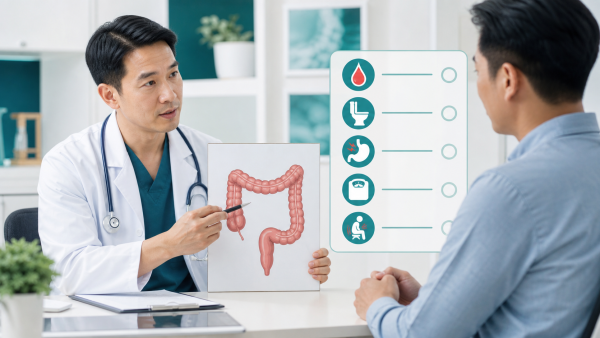
Bowel habit changes, blood in stool and unexplained anemia should be evaluated by a specialist.
Để lại số điện thoại/Zalo, đội ngũ phòng khám sẽ hỗ trợ chọn gói khám phù hợp.