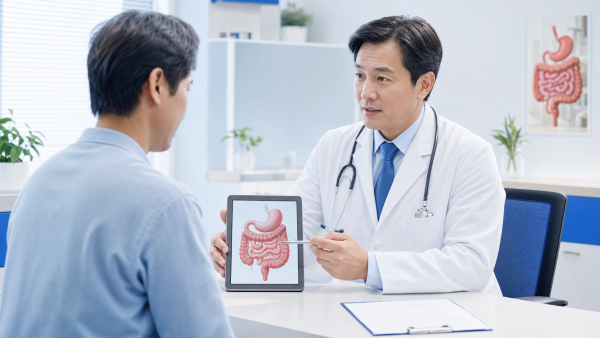
Digestive Cancer Screening: Who Should Start and When?
Digestive cancer screening helps detect stomach, colon and rectal abnormalities early, especially for people with risk factors.
Đọc bài viết →
Digestive cancer screening helps detect stomach, colon and rectal abnormalities early, especially for people with risk factors.
Đọc bài viết →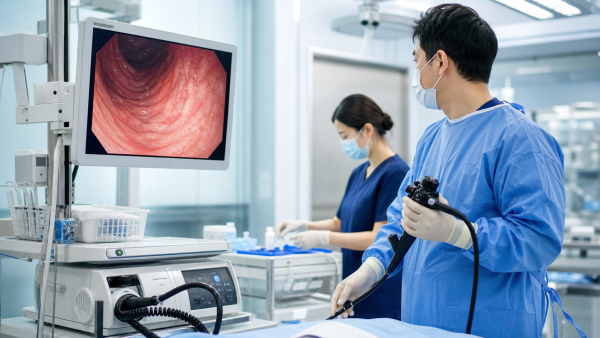
Painless gastroscopy helps doctors examine the esophagus, stomach and duodenum while improving patient comfort.
Đọc bài viết →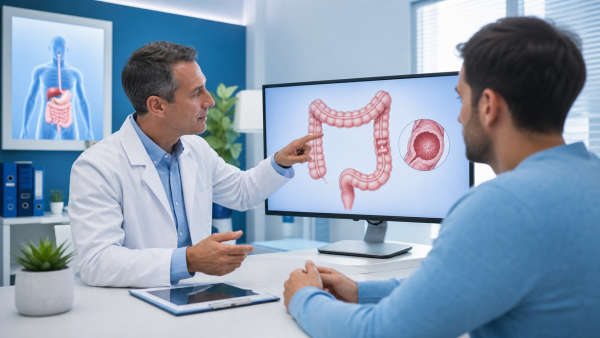
Colonoscopy helps detect polyps, inflammation and suspicious lesions before symptoms become obvious.
Đọc bài viết →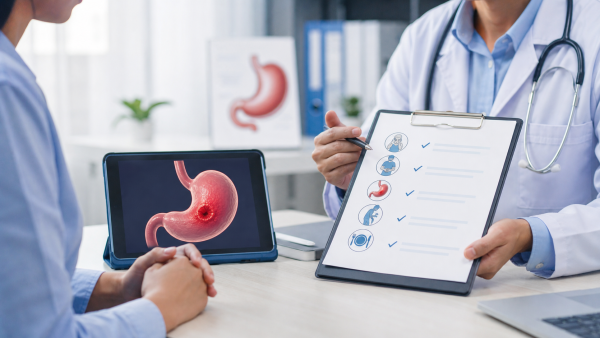
Some common stomach symptoms deserve medical evaluation when persistent or combined with systemic warning signs.
Đọc bài viết →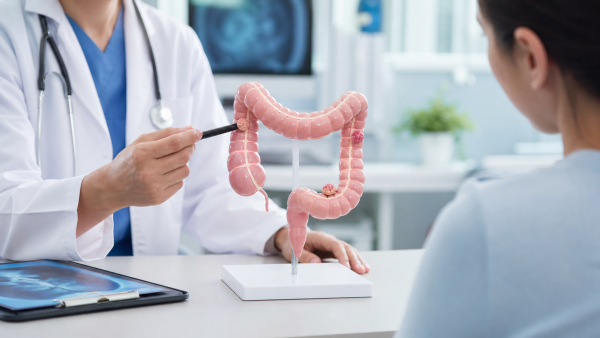
Most colon polyps are benign, but some may progress over time and should be detected early.
Đọc bài viết →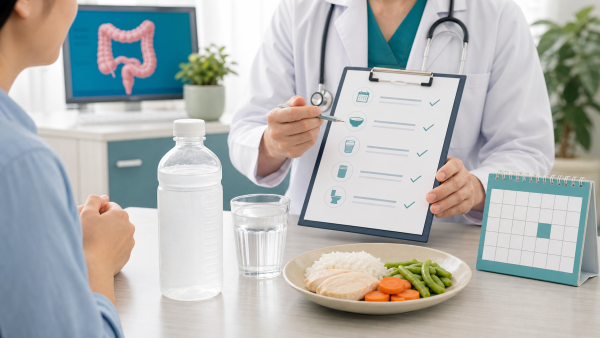
Good bowel preparation helps doctors observe the colon clearly and reduces the chance of repeat procedures.
Đọc bài viết →
A balanced diet rich in fiber and minimally processed foods supports digestive health every day.
Đọc bài viết →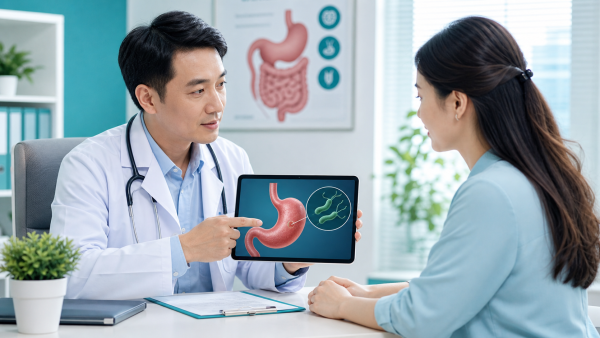
H. pylori infection is linked to gastritis, ulcers and increased stomach cancer risk in some groups.
Đọc bài viết →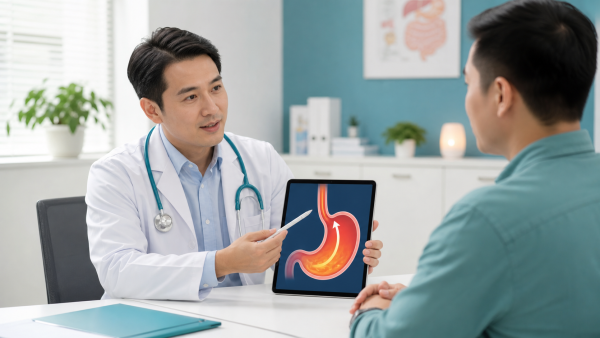
Reflux is common, but persistent symptoms or alarm signs may require endoscopic evaluation.
Đọc bài viết →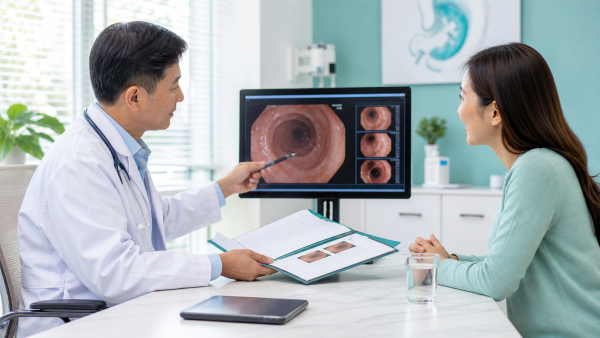
Understanding endoscopy results helps patients know when treatment, biopsy review or follow-up is needed.
Đọc bài viết →