
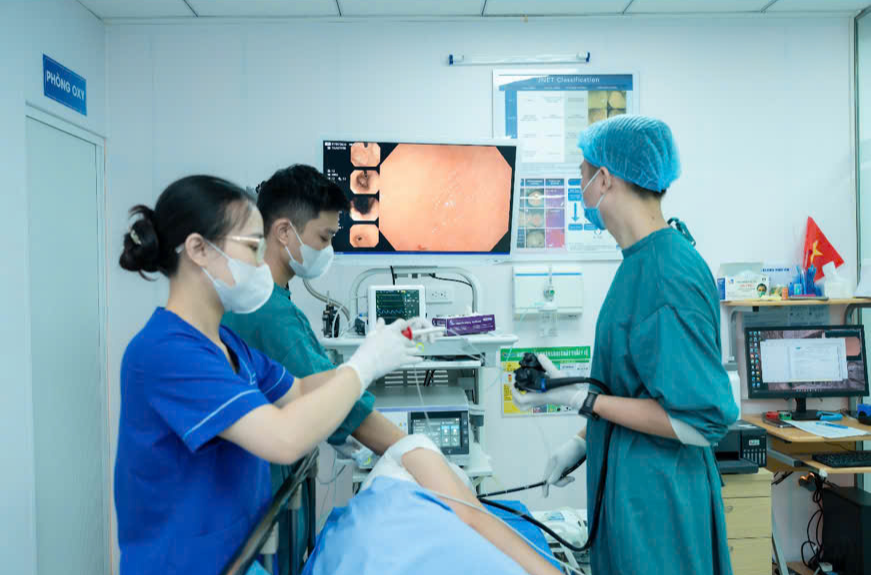
What can GI endoscopy detect?
GI endoscopy allows doctors to directly examine the esophagus, stomach, duodenum, colon and rectum. It supports diagnosis of inflammation, ulcers, bleeding, polyps, precancerous lesions and suspicious findings that may require biopsy.
When should you consider endoscopy?
- Persistent upper abdominal pain, reflux, nausea or bloating.
- Blood in stool, black stool, prolonged bowel habit changes or recurrent abdominal pain.
- Unexplained weight loss, anemia or appetite loss.
- Age-based colorectal cancer screening or family history of digestive cancer.
Painless endoscopy option
Patients may be advised on sedation when appropriate. The doctor will review medical history, current medication and safety factors before the procedure.
Preparation
Gastroscopy usually requires fasting. Colonoscopy requires bowel preparation so the doctor can clearly observe the mucosa.